
Venahafoch Hu
Shiloh Winery's Amichai Lourie, hidden miracles, and raising a full cup — a Purim Kumzits for 5786


Dear Chevralah,
Tonight we celebrate Purim, and this year the story of Esther feels less like ancient history and more like a breaking news alert.
ויין ישמח לבב אנוש V’yayin yisamach levav enosh And wine gladdens the heart of man (Psalms 104:15)
The Purim story took place in Shushan, ancient Persia. Today’s Persia is Iran. The country currently in military conflict with Israel — on the very day we celebrate Purim. If I wrote this as fiction, my editor would send it back and say it was too predictable or lacked imagination. But it’s a story that’s been thousands of years in the making.
ונהפוך הוא Venahafoch hu It was turned upside down. (Esther 9:1)
If you love the vibe of karma or wish more evil people were visited by the boomerang effect, you’ll love Venahafoch hu: In the Purim story that meant to destroy the Jews became the mechanism of their rescue. The gallows Haman built for Mordechai became the instrument of his own execution. This is the heartbeat of Purim: the reversal of mood, fortune, events.
Here’s something to think about as well. We celebrate Purim as a single day (sometimes two if you count Shushan Purim which is a walled city thing, but which we won’t get into here), but if you start recounting the events of the Megillah to the first feast with the unfortunate Queen Vashti, the story unfolded over nearly a decade. And before the redemption, there were nine years of seemingly random events including chaos and fear. Nine years in which a queen was deposed, her successor chosen via beauty pageant (a lot like The Bachelor, only in this case King Achashverosh controlled 127 provinces), an overheard assassination plot, a king’s insomnia — each one unremarkable on its own. It’s only when you step back that the hidden hand becomes visible. And then it’s impossible to miss.
The one thing not mentioned
Did you ever realize that God’s name is never mentioned in the Megillah? Not a single time in all ten chapters. Many teachers say don’t read it as Megillat Esther but as Megaleh Hester — revealing the hidden. The Talmud connects Esther's name to the verse "ואנכי הסתר אסתיר פני ביום ההוא — And I will surely hide (astir*) My face" (Deuteronomy 31:18). God is there. You just have to look between the lines. Sometimes with a magnifying glass to make sure you’re not missing anything.
How many of us are in the middle of our own nine-year story right now and don’t know it?
Wine fit for a queen
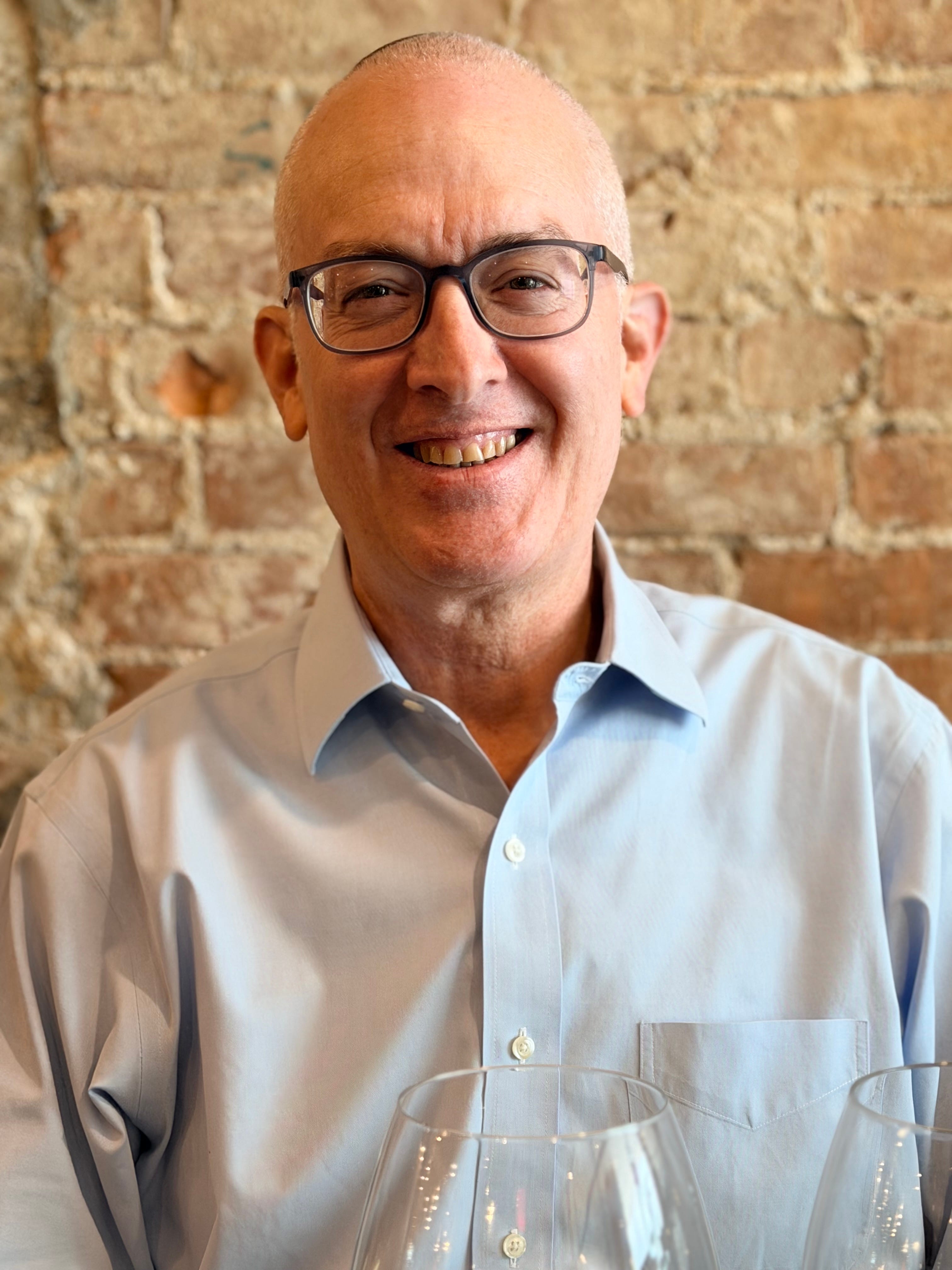
Last week, I sat down with Amichai Lourie, the Chief Winemaker and CEO of Shiloh Winery in Israel. In the spirit of Purim, it wasn’t lost on me that we met at Malka restaurant (מלכה — Hebrew for queen) on the Upper West Side. It was definitely giving Queen Esther energy. And in my own inimitable way, I had my own “I carried the watermelon” moment when I thought Elijah from the restaurant’s last name was also Malka and confidently informed him that מלכא in Aramaic means king — same letters, different languages, different meanings.
I expected to talk about wine. What I got was something much bigger.
“People say, oh, we didn’t know you could make wine in Israel,” Lourie told me. “People talk about New World, which is California. Old World — Italy, France. Israel is Ancient World. We literally go back thousands of years.”
Walking distance from the winery, you can see ancient wine presses dating back to biblical times. “Shiloh used to be the capital of Israel for 369 years before King David, before Jerusalem became the capital. This is where everything started.” (That 369 years comes from the Talmud, Zevachim 118b — a faith-based number rather than a historically verified one, but I love that he knows it off the top of his head).
Lourie referenced travelers from a hundred years ago — including Mark Twain — who described the land as a desert. Then he pointed to Ezekiel’s prophecy: when the time comes, the land will prepare itself for the Jewish people to return. “The biggest sign will be that when you see the land flourishing again, then you’ll know that the time has come. You have to be blind not to see what’s going on.”
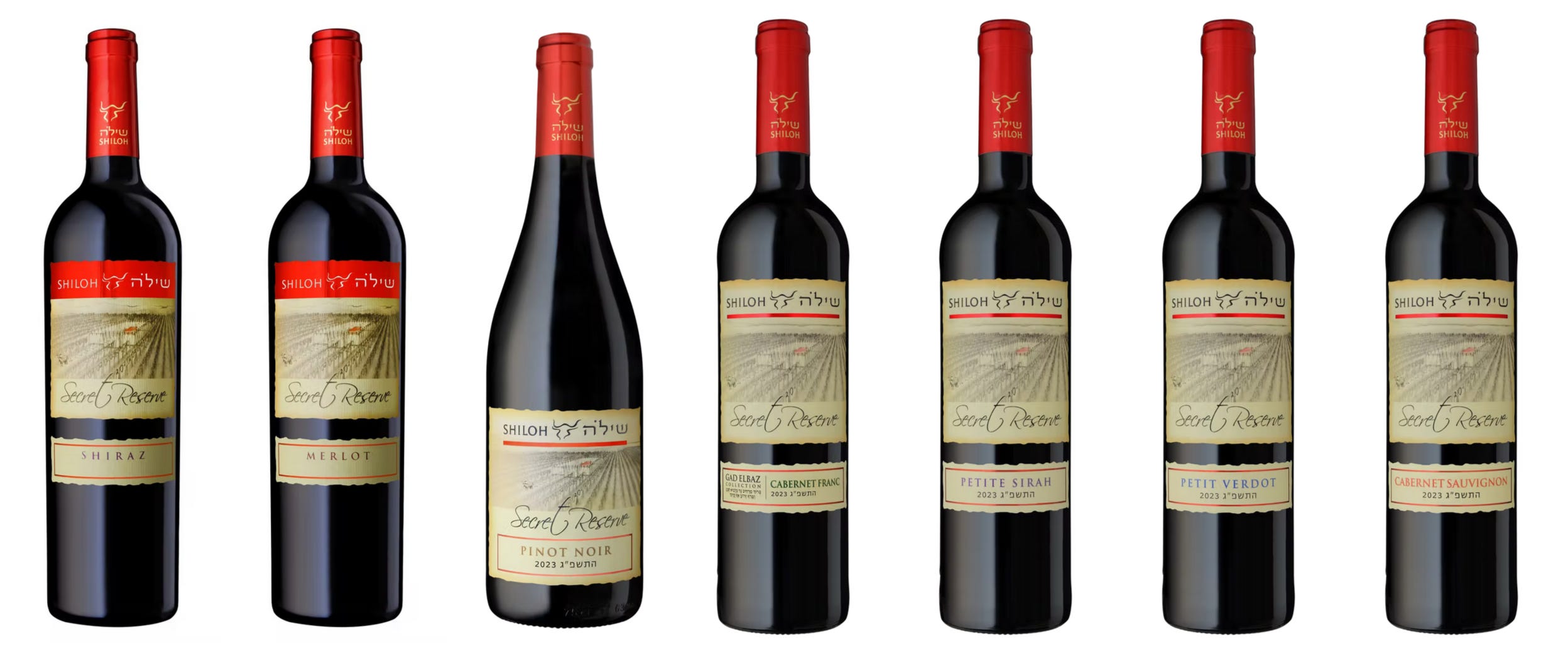
Israel is known for high tech, medical breakthroughs, military innovation. But as Lourie put it, “We’re not just high tech” — what about the joyous things? What about wine? His Cabernet Sauvignon Secret Reserve has won best Cabernet in Israel seven times. This week, Shiloh is being honored at the James Suckling Awards, one of the most prestigious wine events in the world.
The past two years almost broke him — he lost most of his team to army call-ups on October 7th, going from fifteen people to two overnight. But in classic Israeli fashion, he pivoted mid-sentence from heartbreak back to wine: “It’s not difficult to look at the bright side of things, but you have to figure it out every now and then. You either do or you don’t.”
And about what makes good wine — or good anything — Lourie’s philosophy is simple: “I’m not trying to imitate something else. I want to be true to what it’s supposed to be.”
Most people tend to forget that the Purim story actually began on Passover. And on Passover, we spill drops of wine from our cups as we recite the plagues — because even our liberation came at the cost of others’ suffering. But on Purim, we don’t spill a single drop. We drink it. Probably too much of it but that’s literally built into the holiday observance. And we celebrate on the 14th and 15th of Adar — not the 13th, when the battle happened, but the days after, when the Jews rested. We celebrate the peace, not the fight.
Tonight, make like nice Jewish girl Pink, and be sure to raise your glass. For our ancestors who survived Persia and every villain before and after. Drink L’Chaim for the people of Israel. For the people of Iran. For each other.
V’yayin yisamach levav enosh. Wine gladdens the heart. This Purim, may it also strengthen it.
Venahafoch hu. May everything be turned upside down for good.
Chag Purim Sameach. Please don’t drink and drive or text and drive!
Am Yisrael Chai.
— Rachel
Visit Shiloh Winery and sample their award-winning wines and taste the Ancient World for yourself.
Thank you to Elijah and Andrew for the hospitality, and to Josh from the Israeli Wine Producers Association (IWPA) for always introducing me to new wines and a way to connect on a deeper level with Israel (and for scoring me some of the best hummus I have ever tasted in my life).
*And if you’re into mythology and goddess culture, you’ll enjoy knowing that scholars debate mightily about the geographical origins of Esther/Astir/Astara/Ishtar/Astarte.
Amen!
Love from Esther and Mordechai (the rabbis at our wedding had a picnic with our names!)